Trade Idea: Uranium

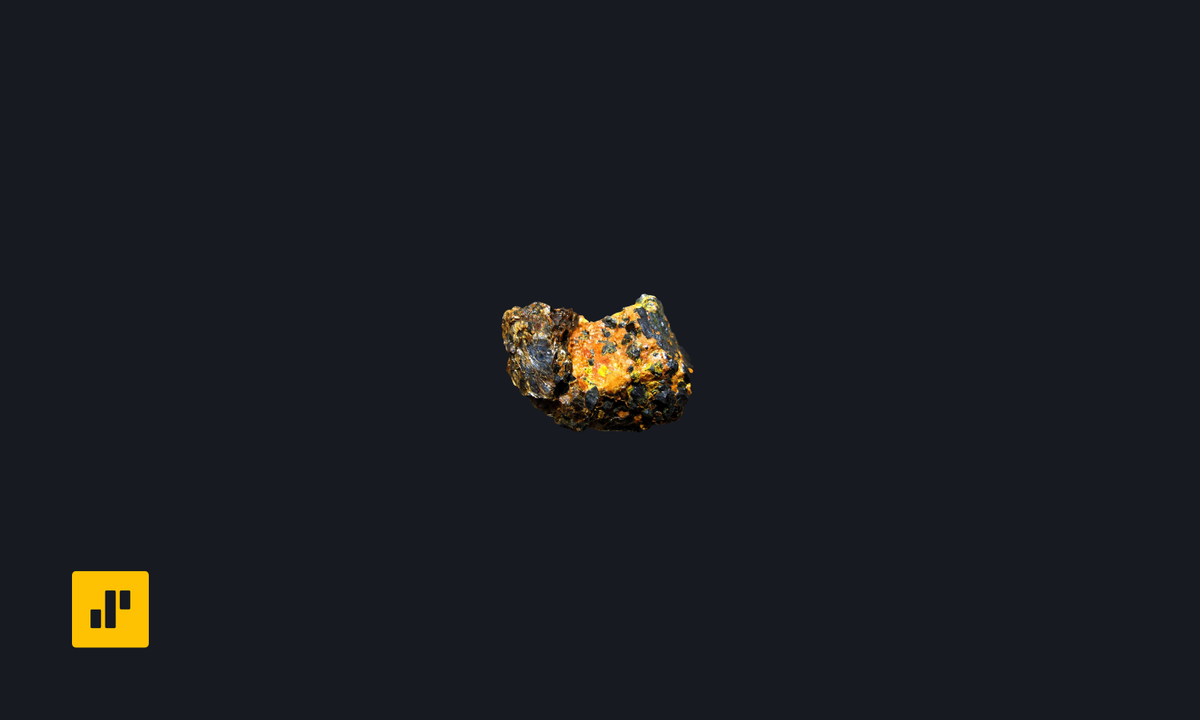
🏷️ Name: Uranium
💠 Ticker: $URA
📈 Direction: Long
🎯 Entry: $40 - $45
🎯 Target: $100
🛑 Stop Loss: $39
⚖️ Risk / Reward: 11: 1
Global X Uranium ETF (URA)
Primary Thesis: Strategic capitalization on the widening structural uranium supply deficit, accelerated by the geopolitical decoupling of nuclear fuel supply chains and the rapid integration of nuclear power into Big Tech's decarbonization strategy.
Executive Summary
The Global X Uranium ETF ($URA) represents the most liquid and comprehensive vehicle for capitalizing on the emerging "Nuclear Supercycle." The investment case is underpinned by a trifecta of macro drivers: a projected structural supply deficit of 100,000+ tonnes by 2040, unprecedented legislative support including the U.S. ban on Russian uranium, and the integration of Small Modular Reactors (SMRs) to power AI data centers. With a year-to-date return of approximately 64% outperforming its closest peer, URA offers superior liquidity and diversified exposure to both production leaders and high-growth developers.
I. Macro Thesis: The Structural Supply Deficit
The uranium market is entering a period of prolonged structural imbalance where primary production cannot meet accelerating reactor demand.
- Widening Supply Gap: The World Nuclear Association (WNA) forecasts global uranium demand to climb 28% by 2030 and nearly double by 2040 to over 150,000 tonnes.
- Production Cliff: Output from existing mines is projected to halve between 2030 and 2040 as deposits are exhausted. The cumulative supply deficit is estimated to reach 1.1 billion pounds by 2045.
- Lead Time Lag: New uranium projects now require 10 to 20 years to reach production, up from 8-15 years historically, exacerbating the inability of supply to respond to price signals.
II. Geopolitical & Policy Catalysts
Government policy has shifted from a headwind to a massive tailwind, effectively putting a floor under uranium prices and encouraging domestic production.
- COP28 & COP30 Momentum: Over 30 countries have now pledged to triple global nuclear capacity by 2050, a goal formally recognized in the "Net Zero Nuclear" initiative.
- U.S. Ban on Russian Imports: The "Prohibiting Russian Uranium Imports Act," signed in May 2024, bans Russian enriched uranium imports (which previously accounted for ~27% of U.S. enrichment services). This legislation unlocks $2.7 billion in funding for domestic fuel infrastructure, directly benefiting Western miners and enrichers held by URA.
- Executive Action: Recent U.S. executive orders aim to quadruple nuclear capacity by 2050 and mandate the deployment of advanced reactors to power critical defense and AI infrastructure.
III. ETF Analysis: Why URA is the Preferred Vehicle
While other funds exist, URA is the "heavyweight" champion for liquidity and broad value-chain exposure.
1. Portfolio Composition & "Pure Play" Balance
URA holds a concentrated basket of the sector's most critical assets. As of late 2025, its top holdings include:
- Cameco Corp (~22.5%): The Western world's largest publicly traded uranium miner, providing stability and leverage to long-term contract prices.
- Oklo Inc (~12.3%): A high-growth SMR developer backed by tech interests. This significant weighting differentiates URA from peers, providing aggressive exposure to the "Nuclear x AI" thematic.
- Sprott Physical Uranium Trust (~5.9%): Provides direct exposure to the spot price of physical uranium, dampening operational mining risks.
- Strategic Diversification: Unlike pure-play mining ETFs, URA includes industrial conglomerates (e.g., Mitsubishi Heavy Industries, Samsung C&T) that build the actual reactors, offering a hedge against mining-specific volatility.
2. Competitive Advantage vs. Peers (URNM)
- Lower Cost: URA carries an expense ratio of 0.69%, compared to 0.75%-0.85% for its main competitor, the Sprott Uranium Miners ETF (URNM).
- Superior Liquidity: With approximately $4.7 billion in assets (vs. ~$1.6 billion for URNM), URA offers tighter spreads and greater capacity for institutional-sized entries.
- Performance: URA has significantly outperformed in 2025, posting YTD returns of ~64% compared to ~35% for URNM, driven largely by its unique weighting in high-momentum stocks like Oklo.
3. Institutional Validation
Smart money is accumulating. Institutional buyers have purchased nearly $770 million in shares over the last 24 months, significantly outpacing sales.
IV. Critical Catalysts (2025-2026)
Investors should monitor specific regulatory milestones for URA's mid-cap holdings, which act as near-term value unlocking events:
- NexGen Energy (Rook I Project):
- Catalyst: Federal Commission Hearings scheduled for November 19, 2025 and February 9-13, 2026.
- Impact: Final federal approval would de-risk the largest development-stage uranium project in the Western world, a top 5 holding in URA.
- Denison Mines (Wheeler River Project):
- Catalyst: Public hearings set for October and December 2025, with potential construction start in early 2026.
- Impact: Approval would greenlight Canada's first in-situ recovery (ISR) uranium mine, offering high-margin production potential.
V. Key Risks
- Volatility: URA has a beta of ~1.10 to 1.27, indicating higher volatility than the broader market.
- Valuation Premiums: Top holding Cameco trades at a forward P/E of ~60x, reflecting high growth expectations that must be met.
- Project Delays: The "10-20 year" lead time for mines serves as a double-edged sword; while it supports prices, it introduces execution risk for the junior miners held by the ETF.
Conclusion
$URA is a "Strong Buy" for investors seeking exposure to energy security and decarbonization themes. It combines the defensive characteristics of established producers (Cameco) with the explosive upside of next-gen reactor developers (Oklo) and the scarcity mechanics of physical uranium. With the supply deficit projected to deepen through 2040 and regulatory approvals for major new mines approaching in 2025/2026, the fundamental setup for URA is historically exceptional.